The History of the Indian Thali: A Journey Through Tradition, Culture and Flavour
Today, the Indian thali is enjoyed throughout India and across the world, celebrated for its ability to showcase the richness of Indian gastronomy. But where did this iconic dining tradition originate, and how has it evolved over time?
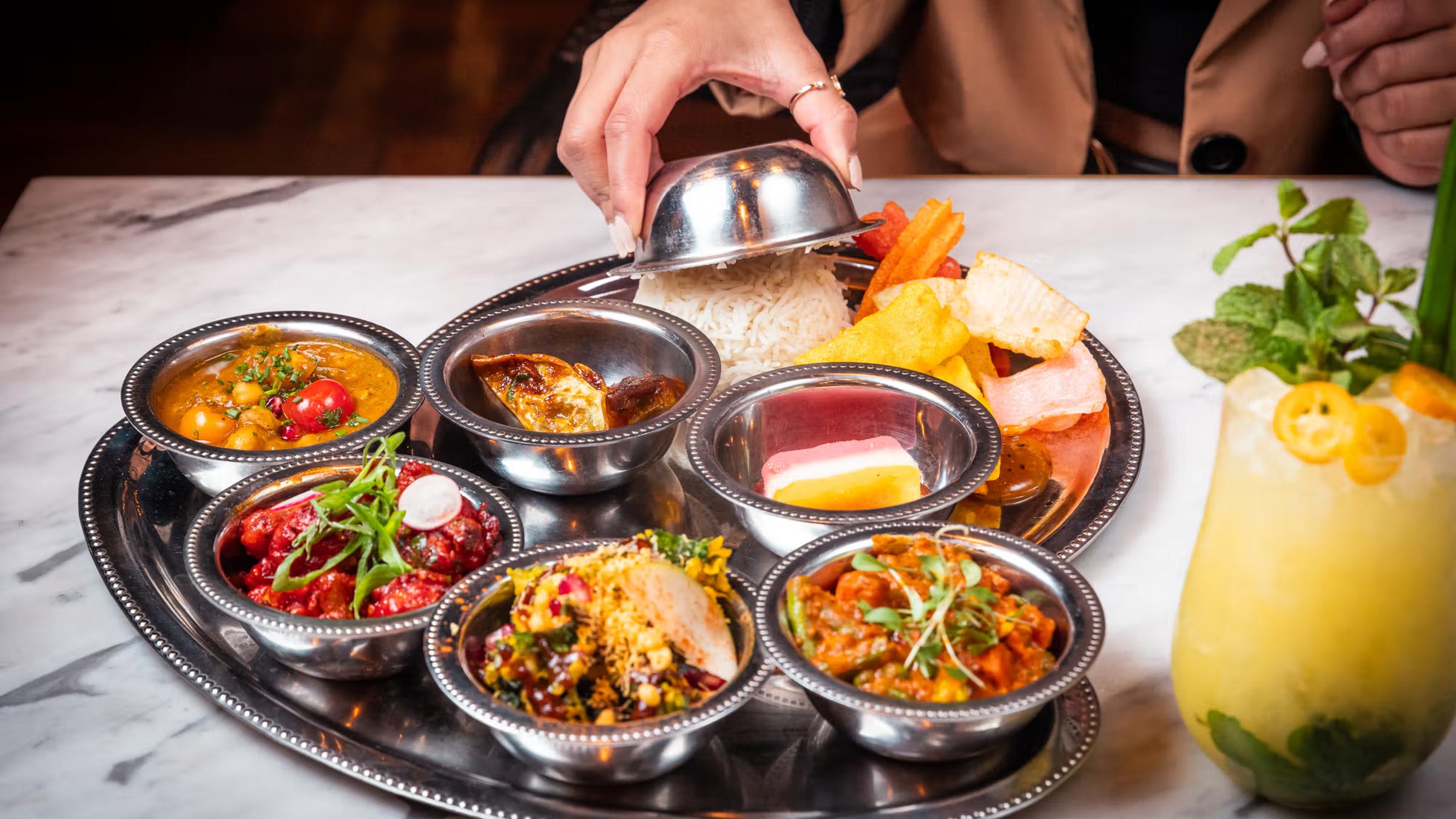
Few dining experiences capture the essence of Indian cuisine quite like the Indian thali. More than simply a meal, a thali represents centuries of culinary tradition, regional diversity and the philosophy of balanced eating. Served as a selection of dishes arranged on a single platter, the thali offers diners the opportunity to experience a variety of flavours, textures and cooking styles in one sitting.
What Is an Indian Thali?
The word thali simply means "plate" in several Indian languages. Traditionally, it refers to a meal served on a large round platter containing multiple small portions of different dishes.
A typical thali may include:
- Rice
- Bread such as roti or naan
- Lentils (dal)
- Vegetable preparations
- Curries
- Pickles and chutneys
- Yoghurt
- Desserts
The exact combination varies according to region, season and occasion, making every thali a unique reflection of local food culture.
Ancient Origins of the Thali
The concept of serving multiple dishes together has existed in India for thousands of years.
Ancient Indian texts and culinary traditions frequently emphasised the importance of a balanced meal containing a variety of tastes and nutritional elements. The principles of Ayurveda, India's traditional system of wellbeing, encouraged the inclusion of diverse flavours to create harmony within the body.
According to Ayurvedic philosophy, a complete meal should include six primary tastes:
- Sweet
- Sour
- Salty
- Bitter
- Pungent
- Astringent
The thali naturally embodied this philosophy by bringing together a diverse range of ingredients and preparations on a single plate.
The Philosophy Behind the Thali
Unlike many dining traditions that focus on a single main dish, the Indian thali celebrates variety and balance.
Each component serves a purpose:
Nutritional Balance
The combination of grains, legumes, vegetables, dairy and spices creates a well-rounded meal.
Flavour Diversity
Every bite offers a different sensory experience, allowing diners to explore contrasting tastes and textures.
Cultural Hospitality
Serving a generous thali reflects the Indian tradition of welcoming guests with abundance and generosity.
Seasonal Adaptation
Many thalis change throughout the year to incorporate seasonal produce and regional ingredients.
This philosophy remains central to the enduring popularity of the thali.
Regional Variations Across India
One of the most fascinating aspects of Indian thali is its regional diversity.
North Indian Thali
Typically includes:
- Roti or naan
- Rich curries
- Dal
- Paneer dishes
- Rice
- Pickles
- Sweets
North Indian thalis often feature robust flavours and tandoor-inspired cooking.
Gujarati Thali
Known for its balance of sweet, savoury and tangy flavours.
A Gujarati thali may include:
- Rotli
- Dal
- Kadhi
- Seasonal vegetables
- Rice
- Snacks
- Traditional sweets
Rajasthani Thali
Reflecting the state's desert heritage and resourceful cooking traditions, popular dishes include:
- Dal Baati Churma
- Gatte Ki Sabzi
- Ker Sangri
- Traditional breads
South Indian Thali
Often served on banana leaves and typically includes:
- Rice
- Sambar
- Rasam
- Vegetable dishes
- Coconut-based preparations
- Pickles
- Payasam
Bengali Thali
Highlights fish, mustard flavours and seasonal vegetables, often progressing through multiple courses.
Each regional thali tells the story of local ingredients, climate, traditions and history.
The Role of Thalis in Indian Celebrations
Thalis have long been associated with festivals, weddings and religious occasions.
Special celebratory thalis often feature:
- Elaborate preparations
- Regional delicacies
- Seasonal ingredients
- Traditional sweets
In many households, festive thalis are carefully prepared to honour cultural traditions whilst bringing families and communities together around the dining table.
The sharing and enjoyment of a thali remains an important expression of hospitality throughout India.
From Home Kitchens to Restaurants
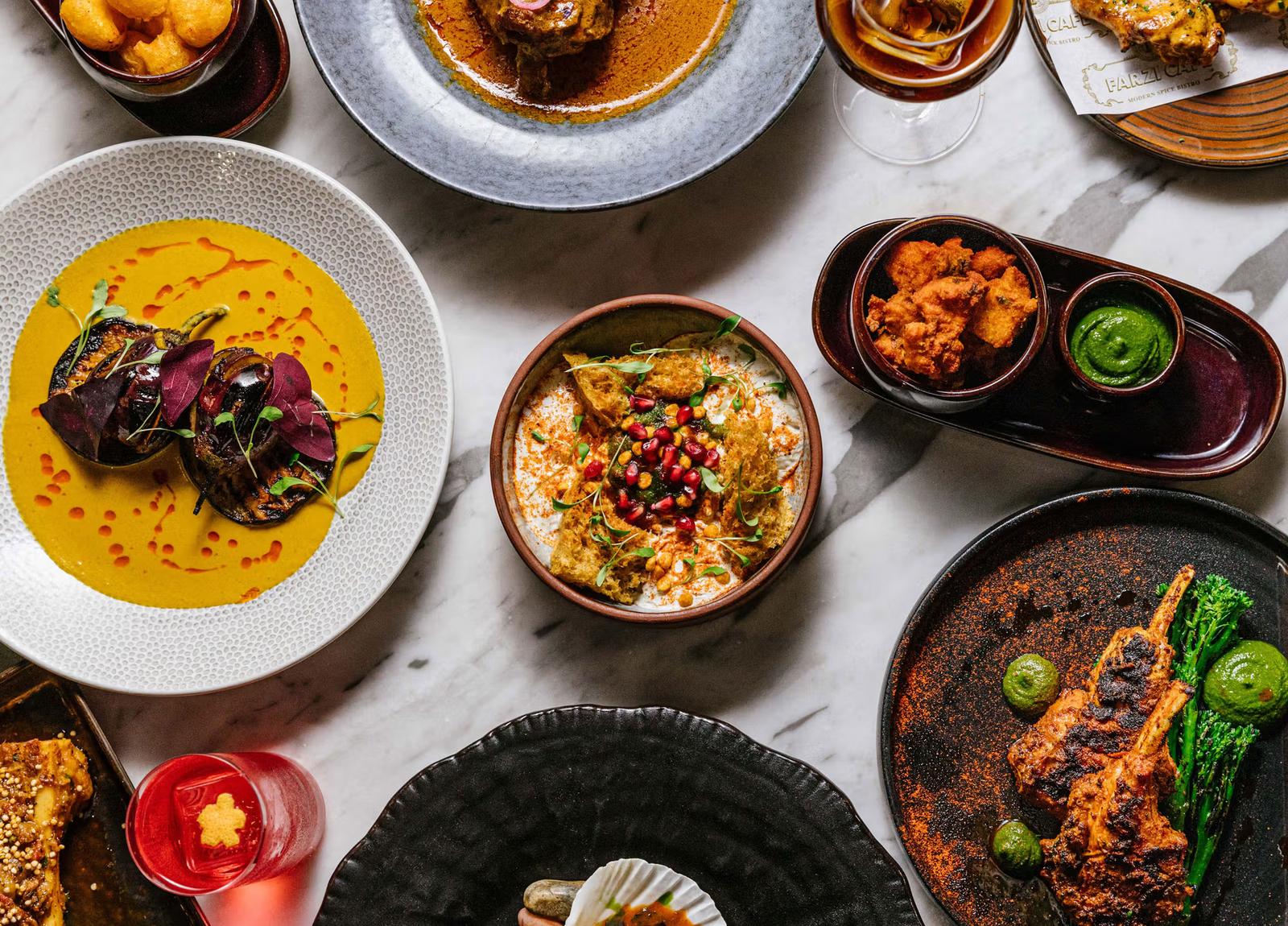
Historically, thalis were primarily associated with home cooking and communal dining.
As Indian cities expanded and restaurant culture evolved, thalis became increasingly popular in dining establishments.
Restaurants embraced the format because it allowed guests to:
- Sample multiple dishes
- Experience regional specialities
- Enjoy a complete meal
- Discover new flavours
The thali became one of the most accessible ways for both locals and visitors to explore Indian cuisine.
The Modern Evolution of the Thali
Whilst traditional thalis remain popular, contemporary chefs have begun reimagining the format for modern diners.
Today's thalis often incorporate:
- Refined presentation
- Seasonal ingredients
- Contemporary cooking techniques
- Innovative flavour combinations
- Regional storytelling
Modern Indian restaurants are transforming the thali into a sophisticated dining experience that respects tradition whilst embracing creativity.
This evolution reflects broader changes within Indian cuisine, where heritage and innovation coexist beautifully.
Why the Thali Remains Relevant Today
In an age where diners increasingly seek variety and authenticity, the thali continues to thrive.
Its enduring appeal comes from several factors:
Variety in One Meal
Guests can experience multiple dishes without committing to a single choice.
Cultural Discovery
A thali offers insight into regional traditions and culinary heritage.
Balanced Dining
The combination of ingredients creates a satisfying and well-rounded meal.
Social Experience
The thali encourages sharing, conversation and exploration.
Authenticity
It remains one of the most traditional ways to enjoy Indian cuisine.
The Indian Thali in London
London's diverse food scene has embraced the Indian thali as diners seek more authentic and immersive culinary experiences.
Restaurants across the city are introducing both traditional and contemporary interpretations, allowing guests to explore the depth and diversity of Indian cuisine through a single carefully curated meal.
For many diners, the thali provides an ideal introduction to Indian gastronomy whilst offering returning guests a nostalgic connection to cherished culinary traditions.
Experiencing the Modern Indian Thali at Farzi London
At Farzi London, the thali reflects our passion for celebrating India's culinary heritage whilst embracing contemporary creativity.
Our approach combines traditional flavours, carefully selected ingredients and modern presentation to create a dining experience that honours the rich history of the thali whilst appealing to today's diners.
Located in the heart of Haymarket, just moments from Piccadilly Circus, Farzi London invites guests to discover the beauty, balance and storytelling that have made the Indian thali one of the country's most enduring culinary traditions.
Final Thoughts
The history of the Indian thali is a story of culture, hospitality and culinary evolution. From its ancient roots in balanced eating and Ayurvedic principles to its place in modern restaurants around the world, the thali remains a powerful symbol of India's rich food heritage.
More than simply a meal, the thali offers a journey through regional flavours, traditions and generations of culinary craftsmanship. As Indian cuisine continues to evolve globally, the thali stands as a timeless reminder of the diversity, creativity and generosity that define Indian dining.
More Like This
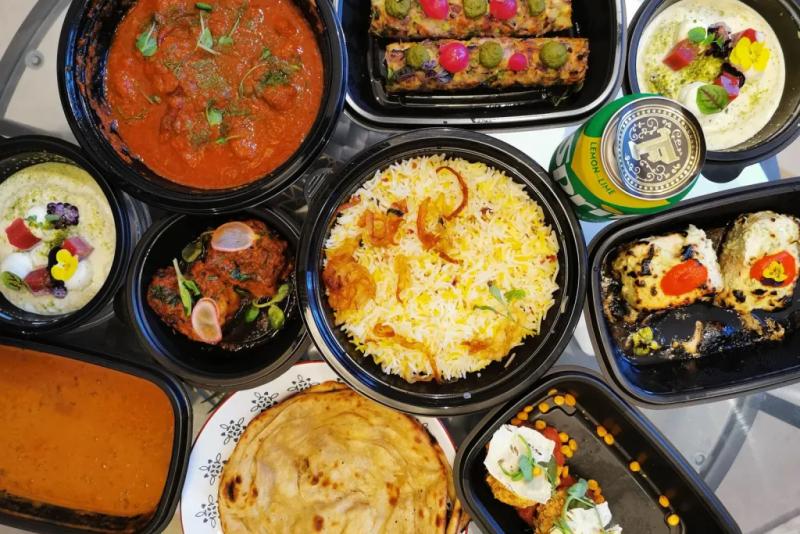
Where to Eat Authentic Indian Biryani in Central London
Looking for Indian biryani in Central London that feels rooted in tradition but still brings something unexpected to the table?
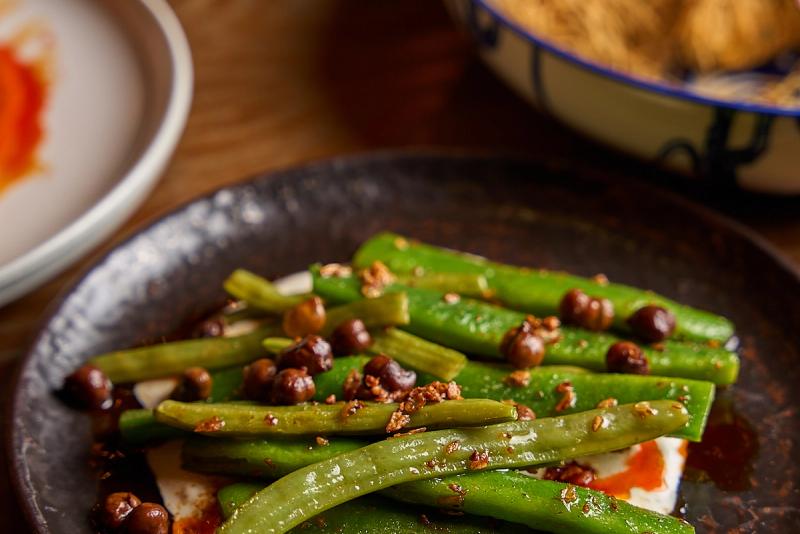
Best Vegetarian Indian Restaurant in Central London: What to Try at Farzi
Vegetarian Indian food doesn't have to play it safe. At Farzi London, a familiar plate of dal and rice can become Dal-Chawal Arancini, papdi chaat can arrive with an Italian-inspired twist, and a traditional kulcha can meet wild mushrooms and black truffle.
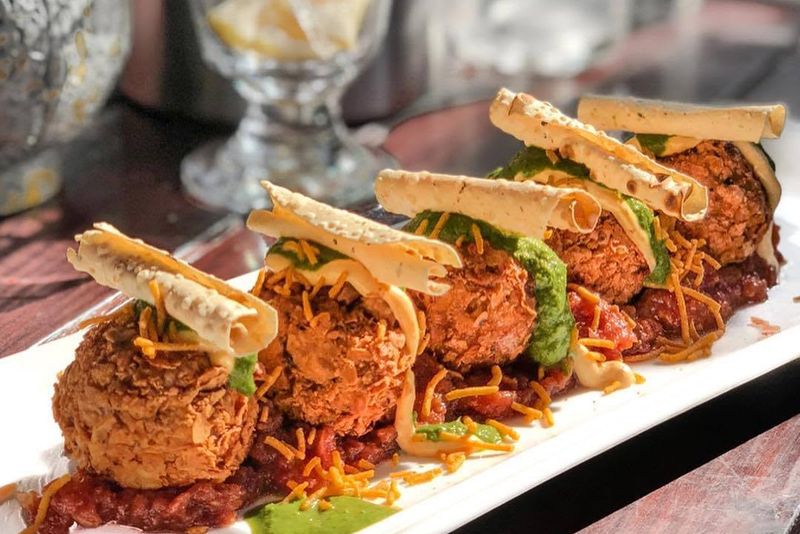
Dal-Chawal Arancini: How Farzi Reinvents Indian Comfort Food
Dal and rice is one of India’s most familiar comfort-food combinations. At Farzi London, it arrives in a form you might not expect.