What Is the Difference Between Traditional and Modern Indian Cuisine?
Indian cuisine is one of the world's most diverse culinary traditions. Shaped by centuries of regional influences, local ingredients, cultural traditions and time-honoured cooking methods, it offers an extraordinary range of flavours and dining experiences.
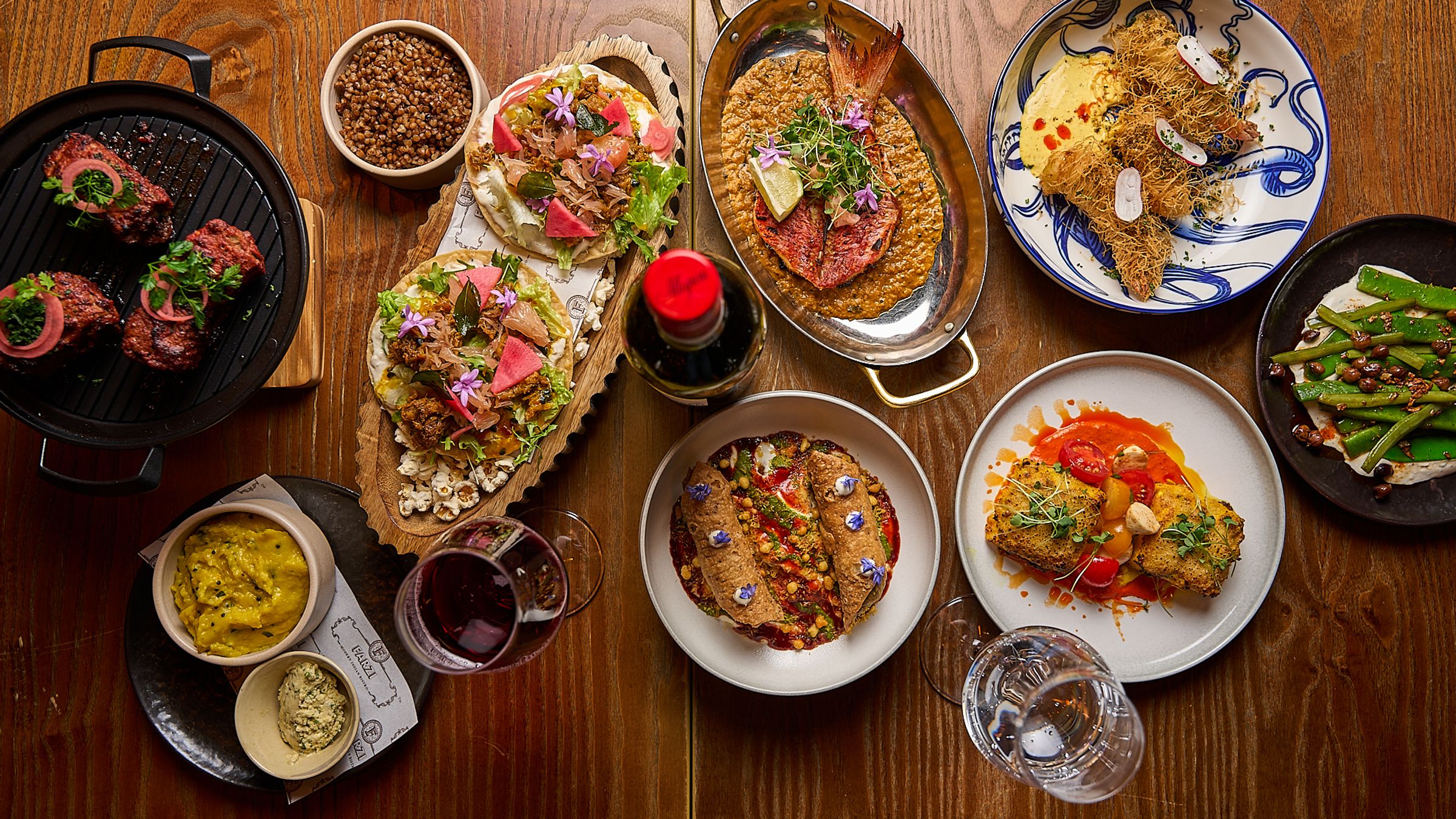
Today, alongside traditional Indian food, modern Indian cuisine has become increasingly popular. But what exactly is the difference between traditional and modern Indian cuisine?
The answer is not simply about old versus new.
Traditional Indian cuisine is rooted in heritage, regional identity and established cooking techniques. Modern Indian cuisine often builds on those foundations, using contemporary ideas, presentation and culinary innovation to create a different experience.
Both approaches celebrate Indian flavours. The difference often lies in how those flavours are interpreted, prepared and presented.
What Is Traditional Indian Cuisine?
Traditional Indian cuisine is deeply connected to regional culture, local ingredients and generations of culinary knowledge.
India's food traditions vary significantly from one region to another. A dish associated with Punjab may use different ingredients and cooking techniques from one originating in Kerala, Bengal, Rajasthan or Kashmir.
Traditional Indian cooking often focuses on:
- Regional recipes and culinary traditions
- Time-honoured cooking methods
- Locally influenced ingredients
- Carefully balanced spices
- Generational knowledge and techniques
- Cultural and seasonal food traditions
Many traditional dishes have evolved over decades or even centuries, with recipes often adapted within families and communities.
The emphasis is usually on preserving the character and flavour of the dish while respecting the techniques that give it its identity.
What Is Modern Indian Cuisine?
Modern Indian cuisine takes inspiration from traditional Indian flavours and culinary heritage while exploring new ways of preparing, presenting and experiencing food.
This does not necessarily mean abandoning tradition.
Instead, chefs may use traditional ingredients, spices or cooking methods as a starting point and then introduce contemporary techniques or creative presentation.
Modern Indian cuisine may involve:
- Contemporary plating and presentation
- New interpretations of familiar dishes
- Innovative flavour combinations
- Modern culinary techniques
- A greater focus on texture and visual experience
- Creative ways of serving traditional flavours
- Influences from global culinary techniques
The purpose is often to create a sense of discovery.
A guest may recognise a familiar spice, aroma or flavour but experience it in an unexpected form.
Traditional vs Modern Indian Cuisine: The Key Differences
Traditional Indian Cuisine
- Focuses on established recipes and regional traditions
- Often follows time-honoured preparation methods
- Presentation is usually connected to the style of the dish
- Emphasises authenticity and regional identity
- Recipes may remain close to traditional formats
- Strong connection to cultural and family traditions
- However, the distinction is not always absolute.
Modern Indian Cuisine
- Reinterprets traditional flavours through contemporary ideas
- May combine traditional and modern techniques
- Presentation can be a major part of the experience
- Often explores creativity and innovation
- Familiar dishes may be served in unexpected ways
- Strong focus on culinary evolution and guest experience
Modern Indian cuisine can still be deeply rooted in tradition, while traditional cuisine itself has always evolved through migration, trade, changing ingredients and cultural influences.
Traditional Cooking Techniques Still Matter
One misconception is that modern Indian cuisine completely replaces traditional methods.
In reality, many modern Indian chefs continue to draw inspiration from established cooking techniques.
These can include:
Dum Cooking
Dum is a slow-cooking technique in which ingredients are cooked gently, often allowing flavours and aromas to develop over time.
Tandoor Cooking
A tandoor uses intense heat to cook food, creating distinctive textures and smoky flavours that have become an important part of Indian culinary traditions.
Sigri Cooking
Sigri cooking uses charcoal heat and grilling techniques to add a distinctive smoky character to food.
These traditional methods can continue to play an important role even when the final dish is presented in a contemporary way.
The Role of Presentation
One of the most noticeable differences between traditional and modern Indian cuisine can be presentation.
Traditional dishes are often presented in ways that prioritise practicality, sharing and the style of the meal.
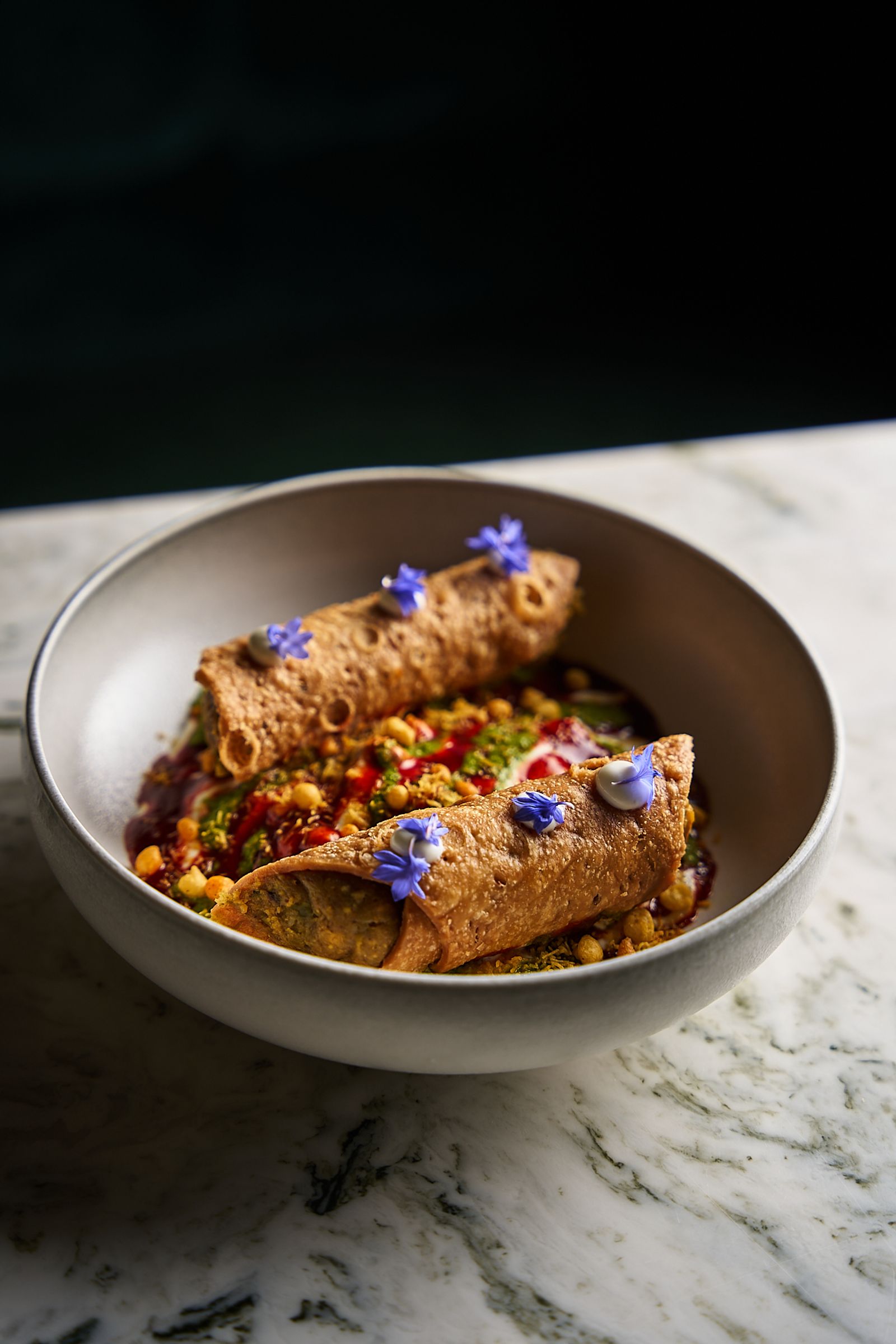
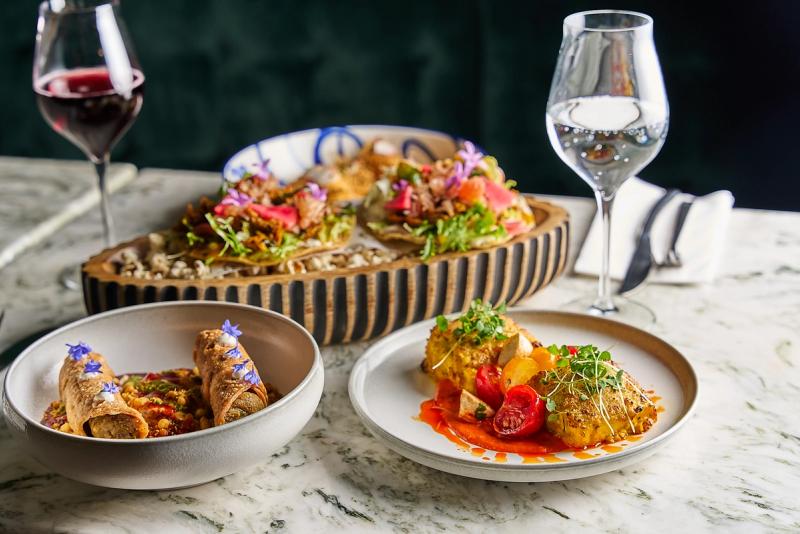
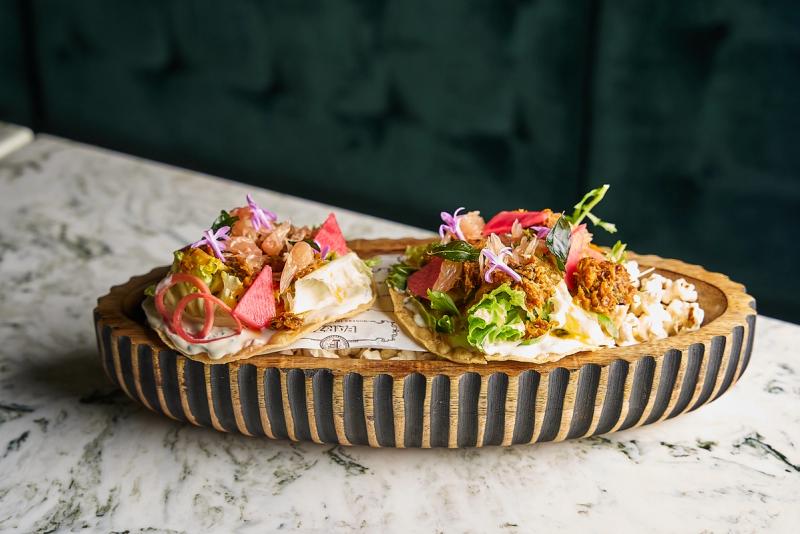
Modern Indian cuisine may place greater emphasis on the visual experience.
The plate can become part of the storytelling.
Textures, colours, shapes and serving styles may be carefully considered to create curiosity before the first bite.
However, presentation alone does not make food modern.
The strongest examples of modern Indian cuisine use presentation to support the flavour and overall experience rather than simply making a dish look different.
Innovation Does Not Mean Forgetting Tradition
Modern Indian cuisine works best when innovation is supported by an understanding of culinary heritage.
A chef can reinterpret a dish more meaningfully when they understand:
- Where the dish comes from
- Which flavours define it
- How it has traditionally been prepared
- The role of its ingredients
- Its cultural significance
This is why tradition and innovation do not need to compete.
Traditional cuisine provides the foundation. Innovation creates an opportunity to explore that foundation from a new perspective.
Why Modern Indian Cuisine Is Growing in Popularity
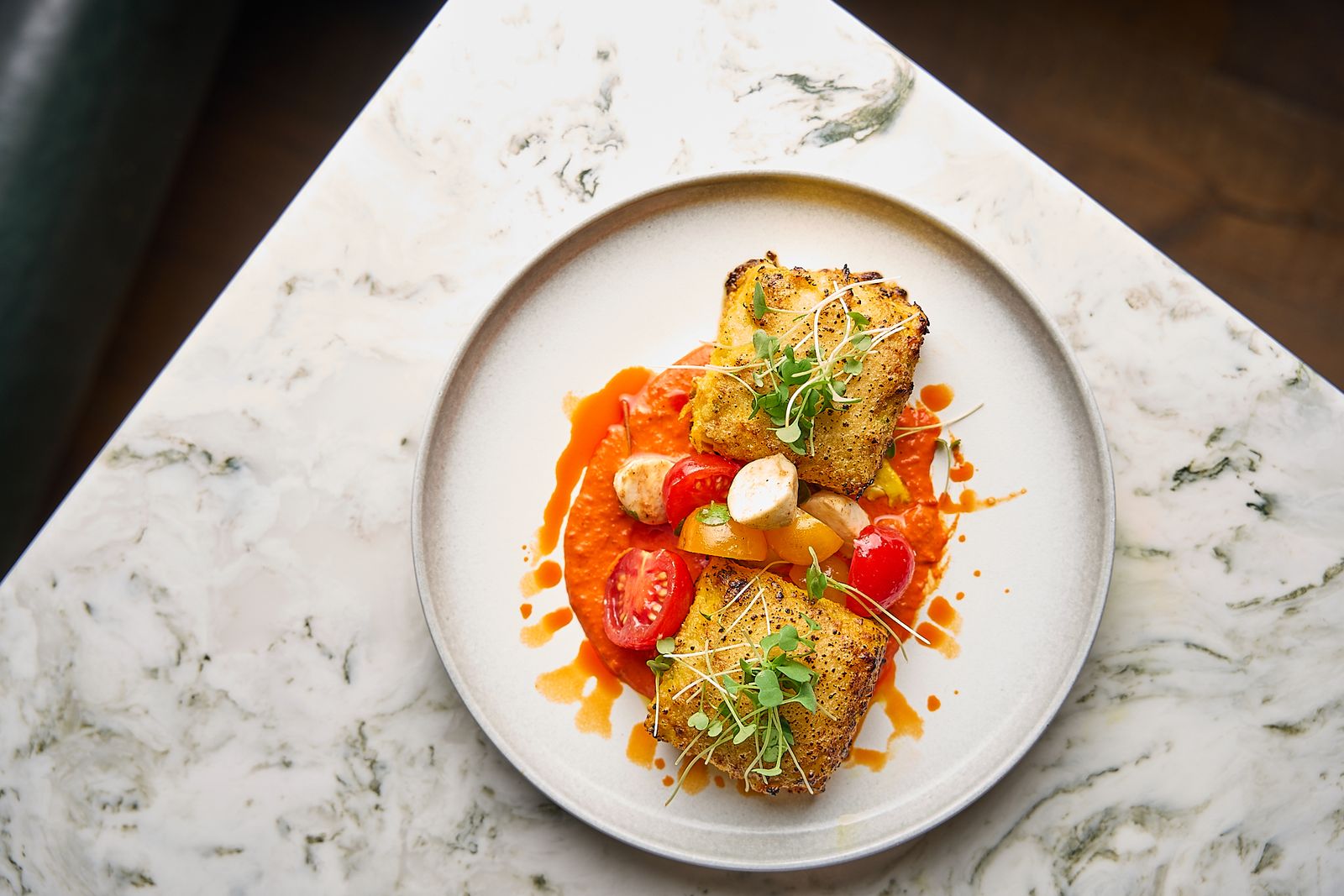
Today's diners are increasingly interested in experiences as well as food.
They want to discover new flavours, learn the stories behind dishes and enjoy something memorable when dining out.
Modern Indian cuisine can offer this combination.
It allows guests to experience familiar Indian flavours while also discovering new interpretations and presentations.
This approach can be particularly appealing for:
- Food enthusiasts exploring Indian cuisine
- Guests trying Indian food for the first time
- Special occasions
- Group dining experiences
- Celebratory dinners
- Diners looking for something beyond a traditional meal
How Farzi Brings Tradition and Innovation Together
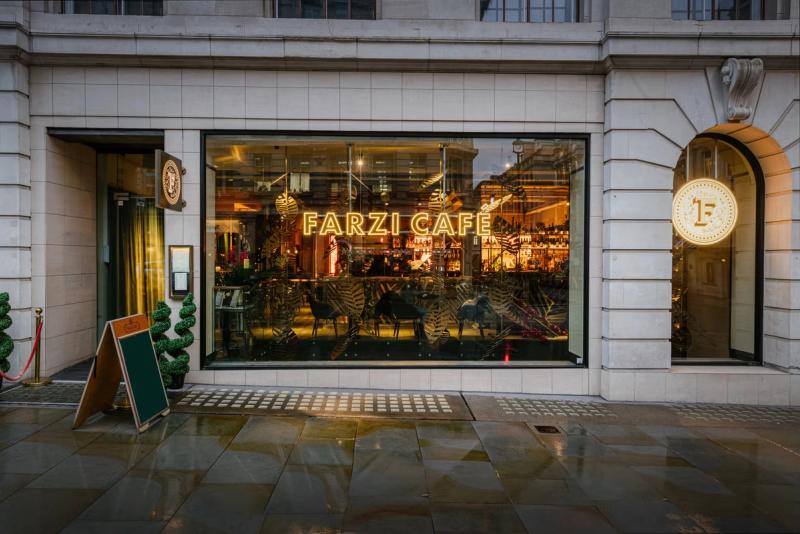
At Farzi London, modern Indian cuisine is built around the relationship between heritage and creativity.
The culinary approach draws inspiration from Indian flavours, traditional techniques and regional food traditions while presenting them through a contemporary perspective.
The goal is not to replace traditional Indian cuisine.
Instead, it is to explore how familiar flavours can create new experiences.
Traditional methods such as Dum cooking, Sigri charcoal grilling and Tandoor cooking can sit alongside creative presentation and modern culinary thinking.
This creates a dining experience where guests can discover something unexpected while remaining connected to the flavours and culinary traditions that inspired it.
For diners looking to explore modern Indian cuisine in London, this approach offers an opportunity to experience both heritage and innovation around the same table.
Traditional or Modern Indian Cuisine: Which Is Better?
Neither is necessarily better.
Traditional Indian cuisine offers a direct connection to regional heritage, cultural traditions and established recipes.
Modern Indian cuisine offers another perspective, using creativity and contemporary techniques to reinterpret those flavours.
The best choice depends on the experience you are looking for.
If you want to explore the history and regional identity of a particular dish, traditional cuisine may offer exactly what you are looking for.
If you enjoy discovering familiar flavours in new and unexpected ways, modern Indian cuisine may be the more exciting choice.
Most importantly, both approaches contribute to the continuing evolution of Indian food.
Experience the Evolution of Indian Cuisine
Indian cuisine has never stood still.
Regional traditions, migration, trade and generations of culinary creativity have all shaped the food we know today.
Modern Indian cuisine represents another chapter in that continuing story.
At Farzi London, traditional Indian flavours meet contemporary creativity to create an experience built around discovery, bold flavours and memorable moments.
Whether you are already familiar with Indian food or looking to explore it from a new perspective, modern Indian dining offers an opportunity to experience tradition differently.
Book your table at Farzi London and discover where Indian culinary heritage meets modern creativity.
Frequently Asked Questions
What is the main difference between traditional and modern Indian cuisine?
Traditional Indian cuisine generally focuses on established regional recipes, cultural traditions and time-honoured cooking methods. Modern Indian cuisine builds on these foundations by using contemporary techniques, creative presentation and new interpretations of familiar flavours.
Is modern Indian food still authentic?
Modern Indian food can remain closely connected to Indian culinary heritage. Authenticity is not determined solely by whether a dish is presented traditionally or creatively, but also by its understanding and use of ingredients, flavours, techniques and cultural influences.
Does modern Indian cuisine use traditional cooking methods?
Yes. Modern Indian cuisine can incorporate traditional methods such as Dum cooking, Tandoor cooking and charcoal grilling while combining them with contemporary culinary techniques.
Is modern Indian cuisine different from Indian fusion food?
They can overlap, but they are not necessarily the same. Modern Indian cuisine often reinterprets Indian culinary traditions using contemporary techniques, while fusion cuisine may combine Indian food with distinct culinary traditions from other cultures.
Why is modern Indian cuisine popular?
Modern Indian cuisine can offer diners familiar flavours in new ways. Its combination of heritage, creativity, presentation and culinary innovation makes it appealing to people looking for a distinctive dining experience.
Where can I experience modern Indian cuisine in London?
Farzi London offers a modern Indian dining experience inspired by traditional Indian flavours, culinary heritage and contemporary creativity.
More Like This
Best Indian Restaurant Near His Majesty’s Theatre Before a Show
Planning to see a show at His Majesty’s Theatre and looking for an Indian restaurant nearby for dinner beforehand? Choosing the right pre-theatre restaurant can turn a theatre visit into a complete evening out.
Where to Eat Near Charing Cross: Indian Dining in Central London
Looking for where to eat near Charing Cross while exploring Central London? With Trafalgar Square, the West End, Piccadilly and some of London's most famous theatres nearby, Charing Cross is surrounded by restaurants for almost every type of occasion.
The Story Behind India’s Most Iconic Street Foods
India’s street food is more than a quick bite on a busy day. It is a reflection of the country’s history, regional diversity, local ingredients and love for bold, memorable flavours.