The Story Behind India’s Most Iconic Street Foods
India’s street food is more than a quick bite on a busy day. It is a reflection of the country’s history, regional diversity, local ingredients and love for bold, memorable flavours.
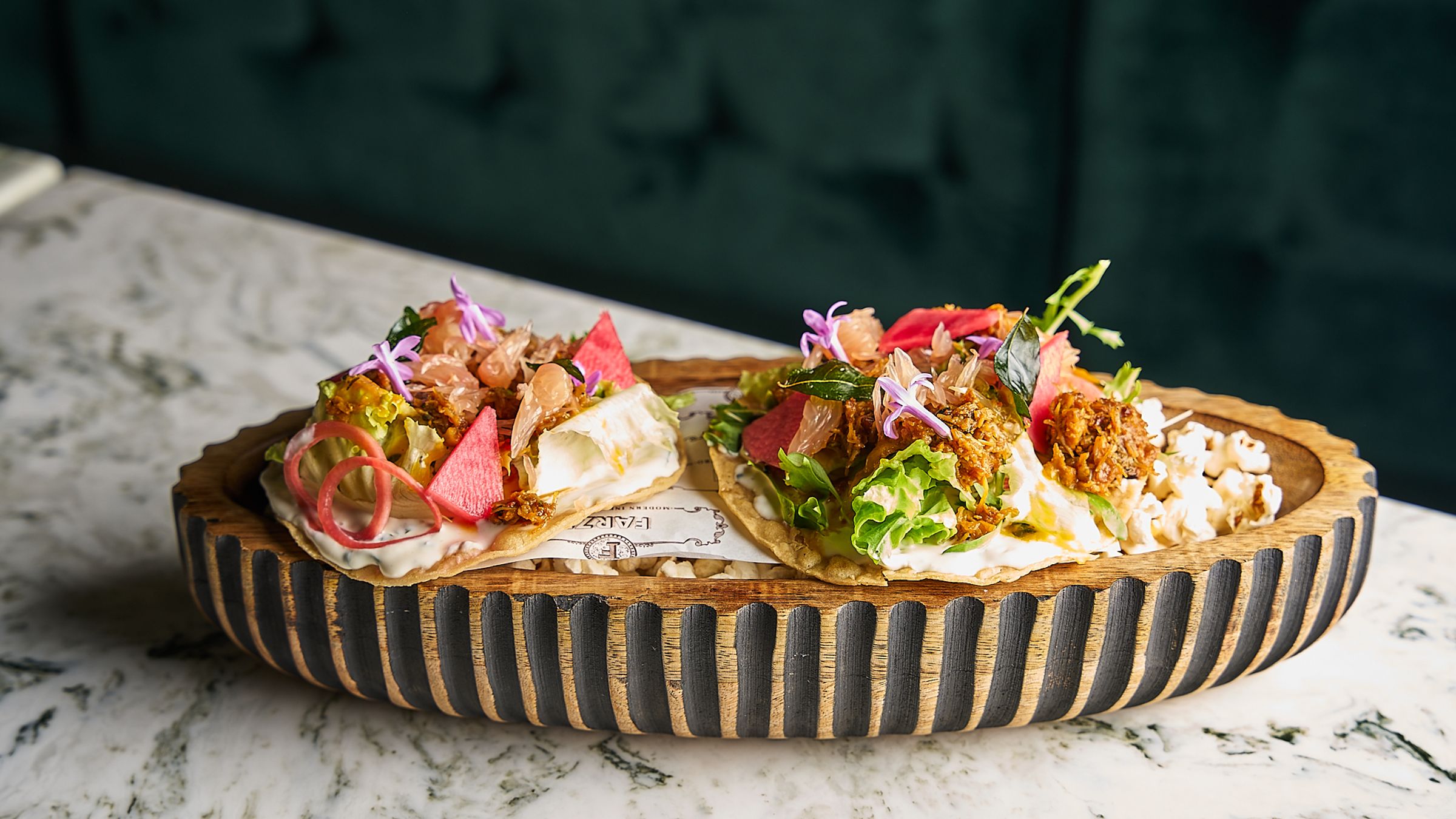
From the bustling lanes of Delhi to the coastal streets of Mumbai, Indian street food has evolved through generations of culinary traditions. Many of the dishes enjoyed today have stories shaped by migration, trade, royal kitchens, local communities and the creativity of street vendors.
For food lovers, exploring Indian street food is also a way to explore India itself.
What Makes Indian Street Food So Special?
Indian street food is known for its ability to bring together contrasting flavours and textures in a single dish.
A typical street food experience may combine:
- Sweet and spicy flavours
- Tangy chutneys
- Fresh herbs
- Crispy textures
- Aromatic spices
- Slow-cooked fillings
- Smoky and grilled elements
But the real appeal goes beyond flavour.
Street food is closely connected to everyday life. It is enjoyed during shopping trips, after work, while travelling, during celebrations and as a reason for friends and families to gather.
Every region has its own favourites, often shaped by local ingredients and culinary traditions.
Pani Puri: The Joy of One Perfect Bite
Few Indian street foods are as instantly recognisable as pani puri.
The experience is built around a crisp, hollow puri filled with ingredients such as potatoes, chickpeas or spiced fillings before being filled with tangy, flavoured water.
The result is a combination of crunch, spice, sweetness and tanginess.
Part of the appeal is the way pani puri is eaten. It is typically enjoyed in one bite, creating an immediate burst of different flavours and textures.
Known by different names across India, including golgappa and puchka, this iconic snack demonstrates how regional food traditions can create different interpretations of a similar idea.
Chaat: Where Sweet, Sour, Spicy and Crunchy Meet
Chaat is not simply one dish.
It represents an entire category of Indian snacks built around contrast.
Depending on the style, chaat can include crispy elements, potatoes, yoghurt, chickpeas, chutneys, spices and fresh herbs.
The word itself has become associated with the kind of flavour balance that Indian street food does so well.
A good chaat experience can move between sweet, tangy, spicy, creamy and crunchy in just a few bites.
This combination of contrasting flavours has helped make chaat one of the most popular introductions to Indian street food.
Vada Pav: Mumbai’s Iconic Street Snack
Often described as one of Mumbai’s most famous street foods, vada pav is simple in concept but full of character.
A spiced potato fritter is placed inside a soft bread roll and typically served with chutneys and additional seasonings.
The dish reflects the practical side of street food: affordable, satisfying and easy to eat on the move.
Over time, vada pav has become closely connected with Mumbai’s identity and remains one of the city's best-known everyday foods.
Samosas: A Street Food Favourite With a Long Culinary Journey
The samosa is one of the most widely recognised Indian snacks around the world.
Its crisp pastry and savoury filling have made it a popular choice for generations.
While samosas are strongly associated with Indian cuisine today, the idea of filled pastries travelled across regions over centuries before developing into the versions enjoyed across South Asia.
In India, fillings and styles vary. Potato, peas, spices and other ingredients can all play a role depending on the region and recipe.
The story of the samosa is a reminder that food traditions often evolve through movement, exchange and adaptation.
Dahi Bhalla: A Balance of Comfort and Contrast
Dahi bhalla combines soft lentil dumplings with chilled yoghurt, chutneys and spices.
The dish is known for its balance.
The softness of the bhalla contrasts with the freshness of yoghurt, while sweet and tangy chutneys add further layers of flavour.
Like many Indian street foods, the experience depends on how the individual elements work together.
No single ingredient defines the dish.
It is the combination that creates its character.
Pav Bhaji: A Mumbai Classic
Pav bhaji is another street food strongly associated with Mumbai.
It consists of a spiced vegetable mash served with soft bread rolls, often finished with butter and accompanied by fresh onions and lemon.
The dish demonstrates how everyday ingredients can be transformed into something bold and satisfying.
Its popularity has helped pav bhaji travel far beyond Mumbai, and it is now enjoyed in many parts of India and around the world.
Kathi Rolls: Street Food Made for Life on the Move
Kathi rolls are an example of how Indian street food combines flavour with convenience.
A filling is wrapped inside flatbread, creating a meal that can easily be eaten while walking or travelling.
Fillings can vary widely, including vegetables, paneer and different meat options.
The combination of freshly cooked bread, spices and a flavourful filling makes the roll one of the most adaptable forms of Indian street food.
Dosa: From Regional Speciality to Global Favourite
The dosa has its roots in South Indian culinary traditions and has become popular far beyond its original regional context.
Made from a fermented rice and lentil batter, a dosa can be served in different forms, from simple and crisp to filled with a spiced potato mixture.
It is often accompanied by chutneys and sambar, creating a complete combination of flavours and textures.
The dosa shows how a regional dish can travel across borders while remaining connected to its culinary origins.
Street Food and the Art of Flavour
One of the reasons Indian street food continues to appeal to so many people is its fearless use of flavour.
Street food is not usually designed to be subtle.
It celebrates contrast.
A single dish might combine:
- Tamarind for tanginess
- Mint or coriander for freshness
- Chilli for heat
- Yoghurt for creaminess
- Fried elements for crunch
- Aromatic spices for depth
This layering is one of the defining characteristics of Indian food.
The goal is not simply to make a dish spicy. It is to create balance between different sensations.
How India’s Street Food Reflects Regional Identity
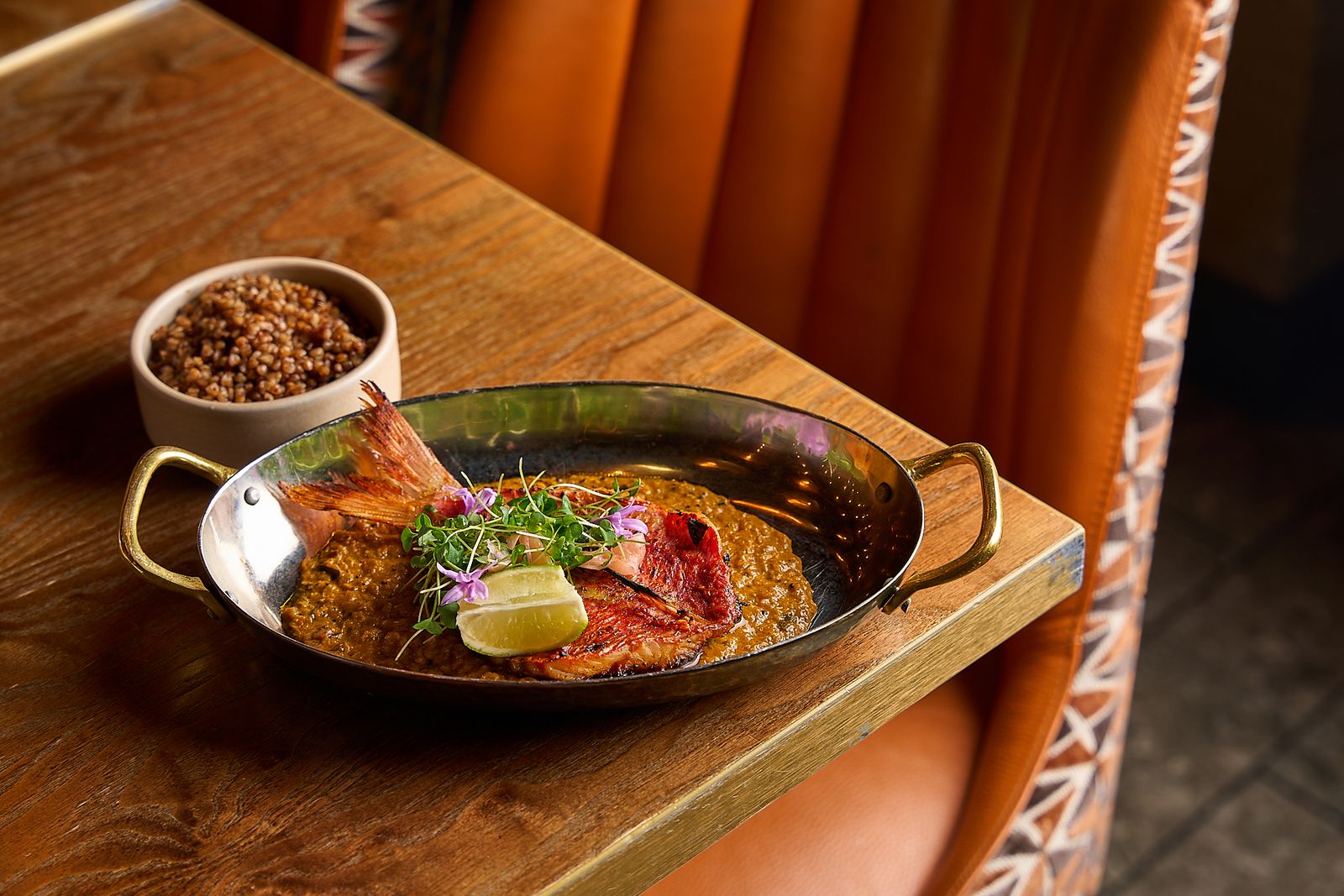
India does not have one single street food culture.
Each region has its own ingredients, traditions and signature dishes.
Northern Indian street food may be known for rich chaats, stuffed breads and tandoor-inspired flavours.
Mumbai is famous for snacks such as vada pav and pav bhaji.
Kolkata has its own distinctive street food culture, including variations of rolls and snacks shaped by local culinary influences.
Southern India brings another dimension through dishes such as dosa and other snacks built around rice, lentils, coconut and regional spices.
This diversity is what makes Indian street food so fascinating.
One journey through India can involve dozens of completely different food traditions.
From India's Streets to Modern Indian Dining
Street food traditions continue to inspire chefs and restaurants around the world.
Modern Indian cuisine often takes inspiration from familiar street food flavours and explores them through new techniques, presentations and dining experiences.
This does not mean replacing the original.
The traditional version carries its own history, regional identity and connection to everyday life.
Modern interpretations simply offer another way to experience the same flavour stories.
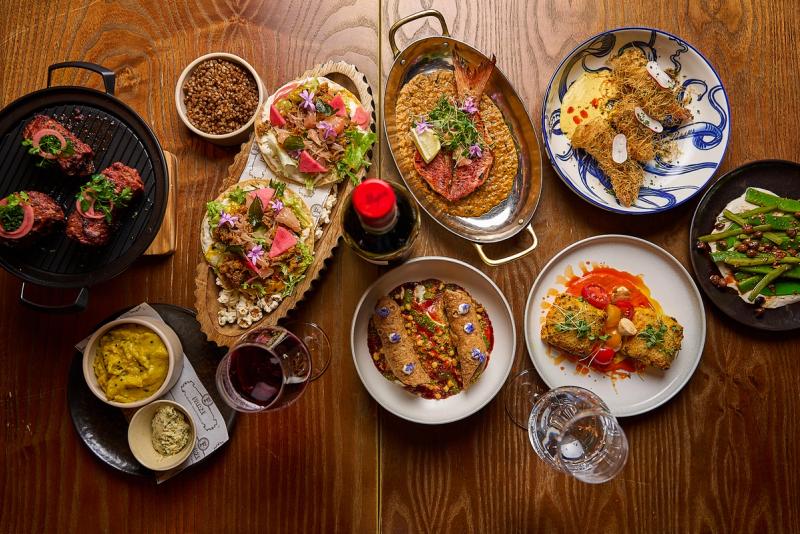
At Farzi London, Indian culinary heritage and contemporary creativity come together to explore familiar flavours through a modern perspective.
The inspiration behind modern Indian dining can come from many places traditional family recipes, regional dishes, time-honoured cooking techniques and the vibrant street food culture found across India.
Why Indian Street Food Brings People Together
Like many of India's culinary traditions, street food is social.
People gather around food stalls, share recommendations and return to favourite vendors.
A quick snack can become part of a conversation.
A familiar flavour can create a memory.
This sense of connection is one of the reasons food remains such an important part of Indian culture.
Whether enjoyed on a busy street, around a family table or through a modern dining experience, food has the power to bring people together.
Discover the Flavours Behind Modern Indian Cuisine
The story of Indian street food is a story of creativity.
It is about local communities turning everyday ingredients into memorable dishes. It is about regional traditions, changing tastes and recipes that continue to evolve.
From the crisp bite of pani puri to the comforting richness of pav bhaji, every dish represents a small part of India's vast culinary landscape.
For diners looking to explore modern Indian cuisine in London, these traditional flavours continue to provide inspiration.
At Farzi London, Indian culinary heritage meets contemporary creativity, offering guests an opportunity to discover familiar flavours from a fresh perspective.
Book your table and experience the creativity, flavour and inspiration behind modern Indian cuisine.
Frequently Asked Questions
What is the most popular street food in India?
India has many popular street foods, including pani puri, chaat, samosas, vada pav, pav bhaji, kathi rolls and dosa. Popularity often varies by region.
What is Indian chaat?
Chaat is a category of Indian snacks known for combining contrasting flavours and textures. Depending on the dish, it can include crispy ingredients, potatoes, chickpeas, yoghurt, chutneys, herbs and spices.
What makes Indian street food different?
Indian street food is known for its variety, regional diversity and balance of flavours. Many dishes combine sweet, sour, spicy, creamy and crunchy elements.
Is Indian street food always spicy?
No. While many Indian street foods use chilli and spices, Indian cuisine focuses on balancing different flavours. Many dishes can also be prepared with less heat depending on personal preference.
How does Indian street food influence modern Indian cuisine?
Indian street food provides inspiration through its bold flavours, regional traditions and creative use of ingredients. Modern Indian chefs may reinterpret these flavours using contemporary techniques and presentation.
Where can I experience modern Indian cuisine inspired by traditional Indian flavours?
Farzi London offers a modern Indian dining experience inspired by India's culinary heritage, traditional flavours and contemporary creativity.
More Like This
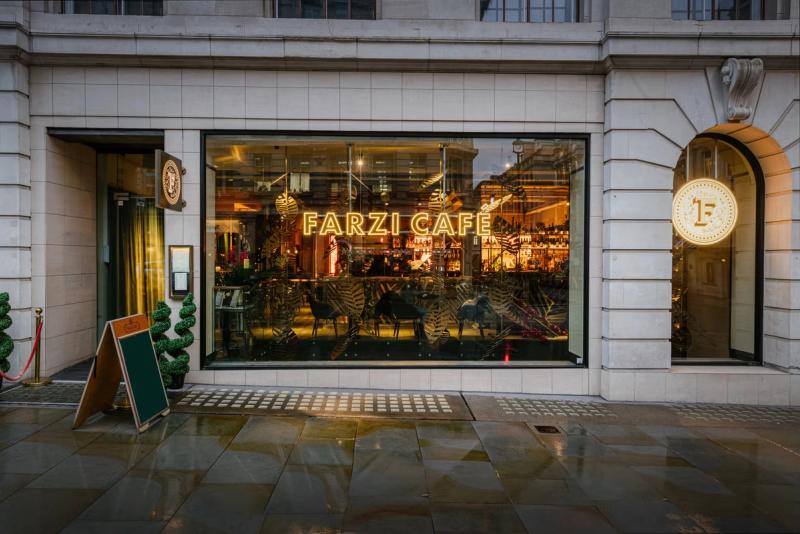
Best Indian Restaurant Near His Majesty’s Theatre Before a Show
Planning to see a show at His Majesty’s Theatre and looking for an Indian restaurant nearby for dinner beforehand? Choosing the right pre-theatre restaurant can turn a theatre visit into a complete evening out.
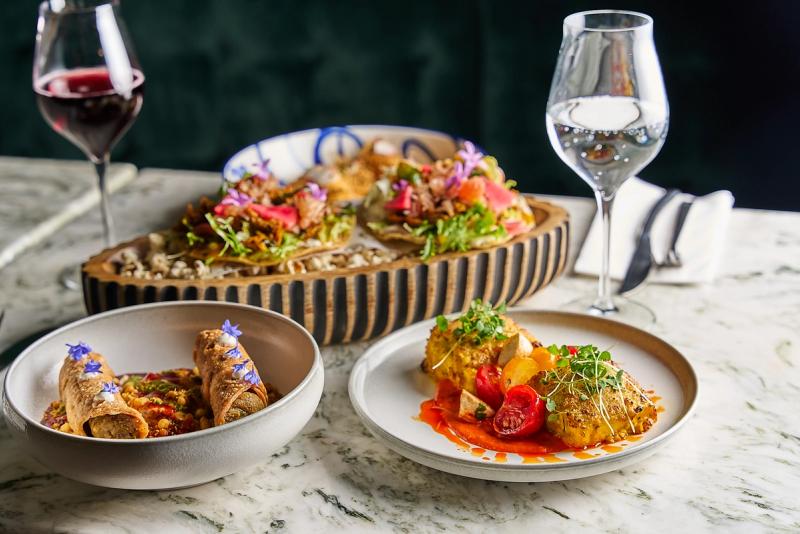
Where to Eat Near Charing Cross: Indian Dining in Central London
Looking for where to eat near Charing Cross while exploring Central London? With Trafalgar Square, the West End, Piccadilly and some of London's most famous theatres nearby, Charing Cross is surrounded by restaurants for almost every type of occasion.
What Is the Difference Between Traditional and Modern Indian Cuisine?
Indian cuisine is one of the world's most diverse culinary traditions. Shaped by centuries of regional influences, local ingredients, cultural traditions and time-honoured cooking methods, it offers an extraordinary range of flavours and dining experiences.