How Indian Cuisine Became Part of London's Identity
London is one of the most diverse and culturally rich cities in the world, celebrated for its vibrant communities, iconic landmarks and globally renowned food scene. Among the many cuisines that have helped shape the capital's culinary landscape, few have had as profound an impact as Indian cuisine.
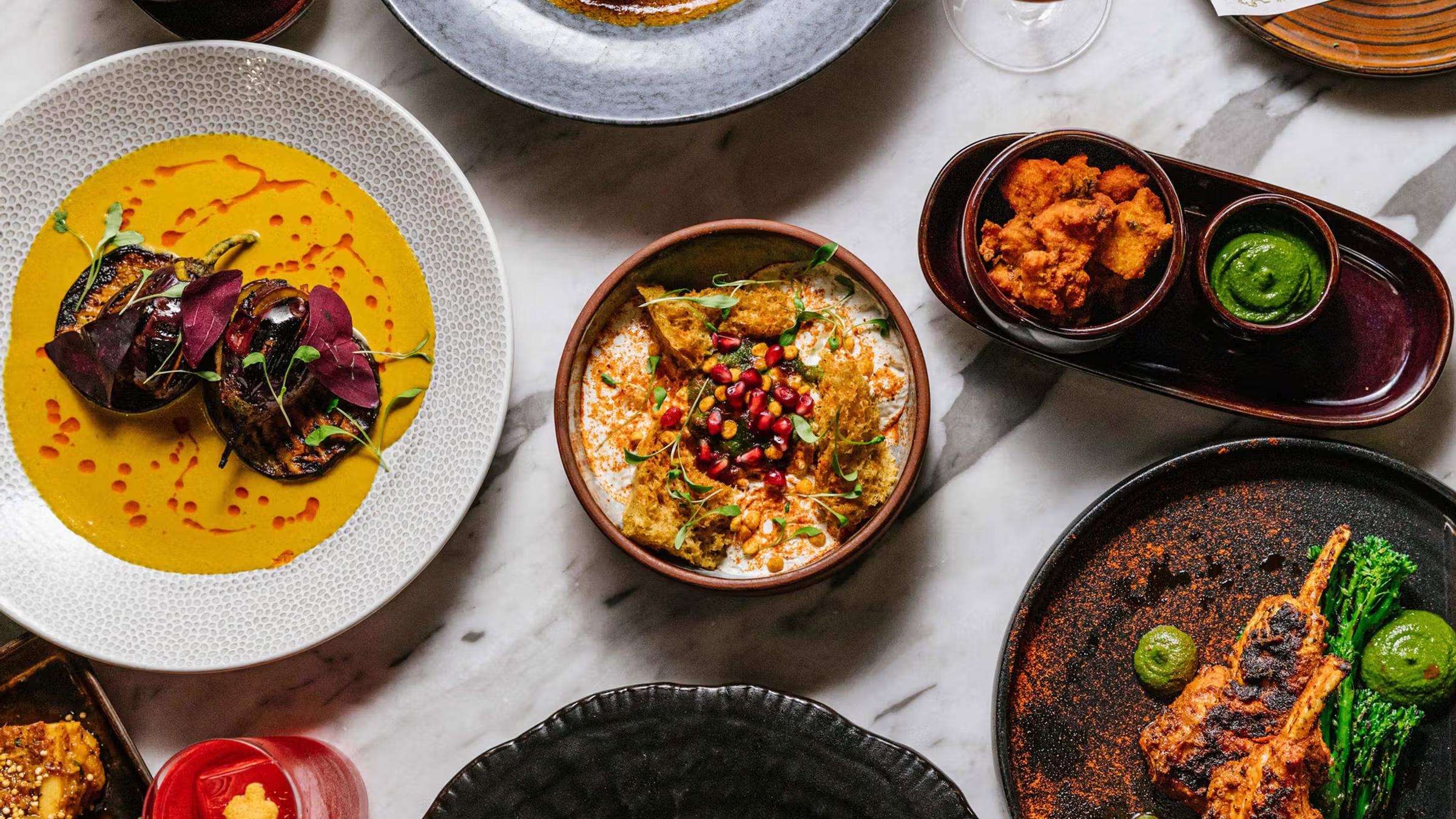
London is one of the most diverse and culturally rich cities in the world, celebrated for its vibrant communities, iconic landmarks and globally renowned food scene. Among the many cuisines that have helped shape the capital's culinary landscape, few have had as profound an impact as Indian cuisine.
Today, Indian food is far more than a popular dining choice in London; it is woven into the city's cultural identity. From neighbourhood eateries and family-run establishments to contemporary fine dining destinations, Indian cuisine has become an essential part of what makes London one of the world's great food capitals.
But how did Indian cuisine become such an integral part of London's identity?
A Shared History That Spans Centuries
The connection between Britain and the Indian subcontinent stretches back hundreds of years. Through trade, cultural exchange and migration, Indian ingredients, spices and culinary traditions gradually found their way into British society.
As early as the eighteenth century, British travellers and merchants returning from India introduced flavours and recipes that were unfamiliar to many people in Britain at the time. Curiosity about Indian food began to grow, laying the foundations for what would eventually become one of London's most influential culinary movements.
Whilst Indian cuisine was initially considered exotic and unfamiliar, it steadily gained popularity amongst adventurous diners seeking new tastes and experiences.
The Growth of South Asian Communities in London
A major turning point came during the mid-twentieth century, when immigration from India, Pakistan and Bangladesh contributed significantly to London's multicultural character.
These communities brought with them rich culinary traditions, family recipes and generations of cooking expertise. As families settled across London, restaurants and cafés began opening to serve both local communities and curious diners eager to explore new flavours.
These establishments became more than businesses. They served as cultural gathering spaces, preserving traditions whilst introducing wider audiences to the diversity of South Asian cuisine.
Over time, Indian food became increasingly familiar to Londoners, helping to bridge cultures and create new shared experiences.
Beyond a Single Cuisine
One reason Indian cuisine has become so important to London is its extraordinary diversity.
India is home to a vast range of regional cooking styles, ingredients and traditions. As London's dining scene evolved, diners gained greater exposure to dishes inspired by different parts of the country, including:
- Punjab
- Gujarat
- Rajasthan
- Kerala
- Bengal
- Kashmir
- Hyderabad
- Tamil Nadu
This diversity challenged the perception that Indian cuisine could be defined by only a handful of dishes. Instead, Londoners began to appreciate the depth, complexity and regional richness of Indian gastronomy.
Today, the capital offers one of the most diverse selections of Indian food found anywhere outside India.
The Rise of Indian Restaurants Across London
As demand grew, Indian restaurants became a familiar part of neighbourhoods throughout the city.
From local high streets to prestigious Central London locations, Indian dining establishments developed strong connections with their communities.
Several factors contributed to their success:
Accessibility
Indian cuisine offered flavourful, satisfying meals suitable for a wide range of occasions.
Hospitality
Many restaurants became known for their warm and welcoming service.
Variety
Menus catered to different tastes, dietary preferences and budgets.
Consistency
Guests could rely on familiar flavours whilst continuing to discover new dishes.
These qualities helped Indian restaurants become trusted and enduring parts of London's dining culture.
The Evolution of Modern Indian Dining
In recent years, London has become a leading destination for modern Indian cuisine.
A new generation of chefs and restaurateurs has embraced innovation whilst respecting tradition, creating dining experiences that celebrate Indian heritage in contemporary ways.
Modern Indian dining often includes:
- Creative reinterpretations of classic dishes
- Contemporary presentation
- Seasonal ingredients
- Refined cooking techniques
- Curated tasting experiences
- Innovative beverage pairings
This evolution has attracted a broader audience and helped position Indian cuisine alongside some of the world's most respected culinary traditions.
As a result, London has become a global centre for contemporary Indian gastronomy.
Why London Embraced Indian Cuisine
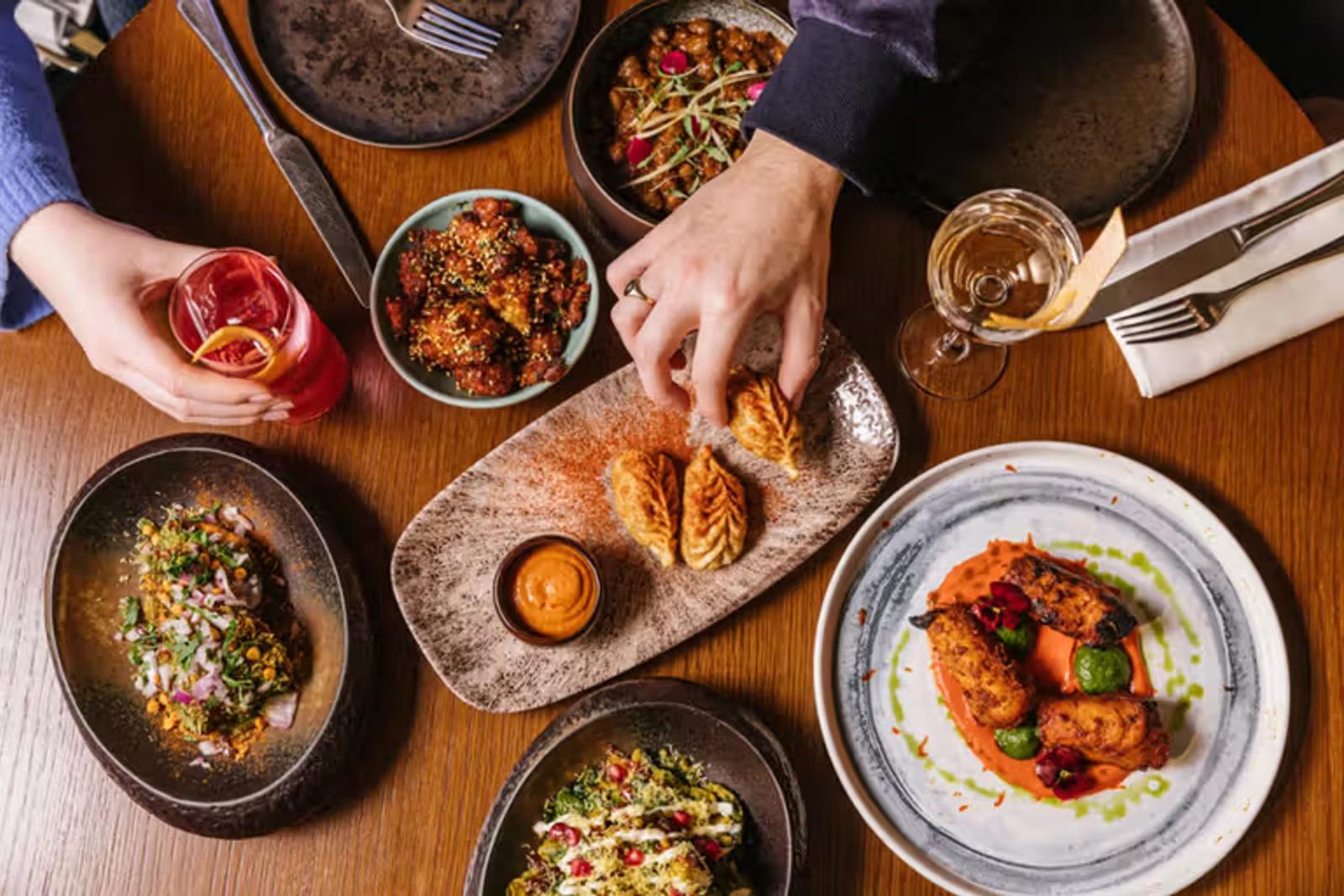
The success of Indian cuisine in London reflects broader characteristics of the city itself.
London thrives on:
- Diversity
- Cultural exchange
- Innovation
- Creativity
- Openness to new experiences
Indian cuisine naturally aligns with these values.
Its ability to evolve whilst remaining connected to tradition resonates with London's own identity as a city that celebrates both heritage and progress.
The cuisine's emphasis on shared dining, hospitality and storytelling has also helped create meaningful connections between people from different backgrounds.
The Influence of Indian Food on London's Culture
Indian cuisine has influenced London far beyond restaurants.
Today, Indian flavours, ingredients and culinary traditions appear across:
- Food festivals
- Cookery schools
- Television programmes
- Hospitality events
- Contemporary restaurant menus
Many British households regularly prepare dishes inspired by Indian cuisine, whilst Indian spices and ingredients have become staples in kitchens throughout the country.
This widespread influence demonstrates how deeply Indian food has become embedded within everyday life in London.
The Role of Indian Cuisine in Modern Hospitality
As dining habits continue to evolve, Indian cuisine remains highly relevant.
Modern diners increasingly seek:
- Authentic experiences
- Cultural storytelling
- Regional specialities
- Innovative cooking
- Memorable hospitality
Indian restaurants are uniquely positioned to deliver all of these elements.
By combining centuries of culinary heritage with contemporary creativity, they continue to shape London's reputation as a world-class dining destination.
Farzi London and the Next Chapter of Indian Dining
Located in the heart of Haymarket, just moments from Piccadilly Circus, Farzi London reflects the ongoing evolution of Indian cuisine in the capital.
Our approach combines traditional Indian flavours with contemporary culinary techniques, innovative presentation and exceptional hospitality.
As part of London's dynamic dining landscape, we celebrate both the heritage and future of Indian cuisine, offering guests an experience that reflects the creativity and diversity that define the city itself.
Why Indian Cuisine Will Remain Central to London's Identity
Indian cuisine has become far more than a dining option in London. It is now part of the city's cultural fabric.
Its journey from early introductions and community restaurants to globally recognised fine dining reflects the broader story of London itself – a city shaped by diversity, innovation and cultural exchange.
As new generations of chefs continue to reinterpret traditional flavours and introduce fresh ideas, Indian cuisine will remain a vital force within London's culinary identity for years to come.
Final Thoughts
The story of how Indian cuisine became part of London's identity is one of migration, entrepreneurship, creativity and cultural connection.
Over time, Indian food has evolved from a niche curiosity into one of the city's most celebrated culinary traditions. Today, it represents both heritage and innovation, helping to make London one of the most exciting and diverse food destinations in the world.
For diners, chefs and restaurateurs alike, Indian cuisine continues to play a defining role in shaping London's past, present and future.
More Like This
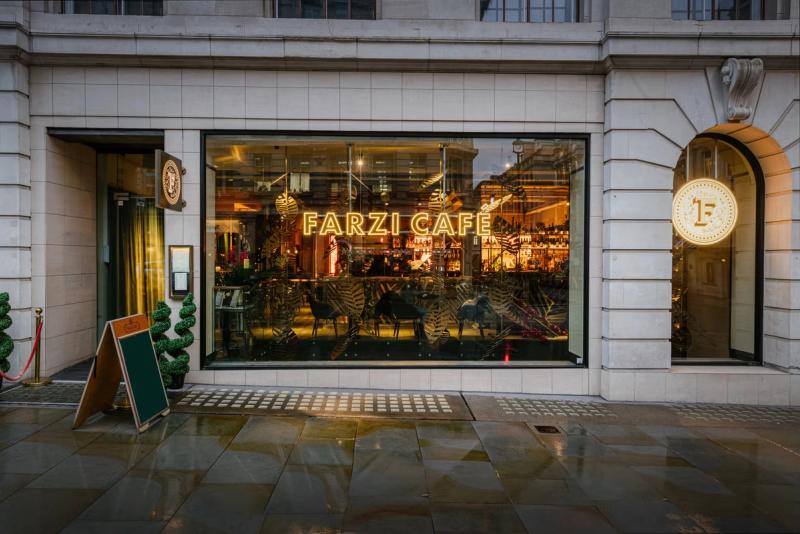
Best Indian Restaurant Near His Majesty’s Theatre Before a Show
Planning to see a show at His Majesty’s Theatre and looking for an Indian restaurant nearby for dinner beforehand? Choosing the right pre-theatre restaurant can turn a theatre visit into a complete evening out.
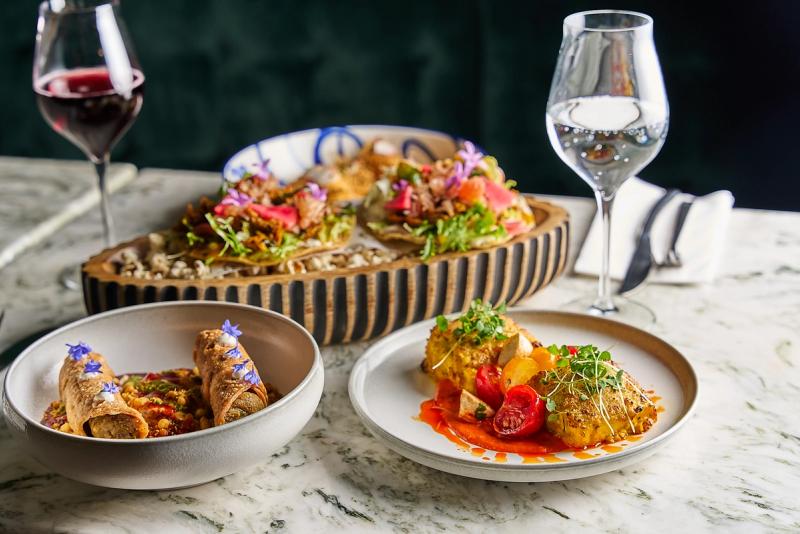
Where to Eat Near Charing Cross: Indian Dining in Central London
Looking for where to eat near Charing Cross while exploring Central London? With Trafalgar Square, the West End, Piccadilly and some of London's most famous theatres nearby, Charing Cross is surrounded by restaurants for almost every type of occasion.
The Story Behind India’s Most Iconic Street Foods
India’s street food is more than a quick bite on a busy day. It is a reflection of the country’s history, regional diversity, local ingredients and love for bold, memorable flavours.